Compare Local Contractors for Landscaping Soil Delivery Services
Compare local contractors for landscaping soil delivery to define scope, verify experience, and set clear expectations for a successful project.
Landscaping soil delivery involves more than just transporting soil to a property; it typically includes assessing the specific soil needs, coordinating delivery logistics, and ensuring the correct type and amount of soil are provided for landscaping projects. Contractors may also assist with preparing the site beforehand and may offer guidance on the best soil types for different plantings or garden designs. Clear communication about the scope of work helps property owners understand what services are included and ensures that the right materials are delivered to meet the landscaping goals.
Defining the scope of soil delivery work is essential for managing expectations and avoiding misunderstandings. Property owners should specify details such as the type of soil required, the quantity needed, and any special handling or delivery instructions. Documenting these details in writing helps both parties stay aligned and provides a record of what was agreed upon. Clarifying scope also includes discussing any additional services, such as spreading or mixing the soil, which may impact the overall project and contractor responsibilities.
When comparing local contractors for soil delivery, property owners should consider experience with similar projects and their familiarity with local soil types and delivery logistics. It’s helpful to verify how each contractor plans to handle the scope of work and what procedures they follow to ensure quality and reliability. Reviewing credentials, asking for references or examples of past work, and discussing expectations in detail can assist in making an informed decision. By focusing on these factors, property owners can identify service providers capable of meeting their specific soil delivery needs effectively.
Compare local contractors by outlining your project priorities, verifying experience, and setting clear expectations in writing.
- Compare Contractor Experience - review the backgrounds of service providers to ensure relevant experience in soil delivery.
- Define Scope Clearly - specify the quantity, type, and delivery requirements to align expectations.
- Verify Service Provider Credentials - confirm the qualifications and reputation of local contractors before hiring.
- Document Details in Writing - establish agreements that outline scope, responsibilities, and expectations for the project.
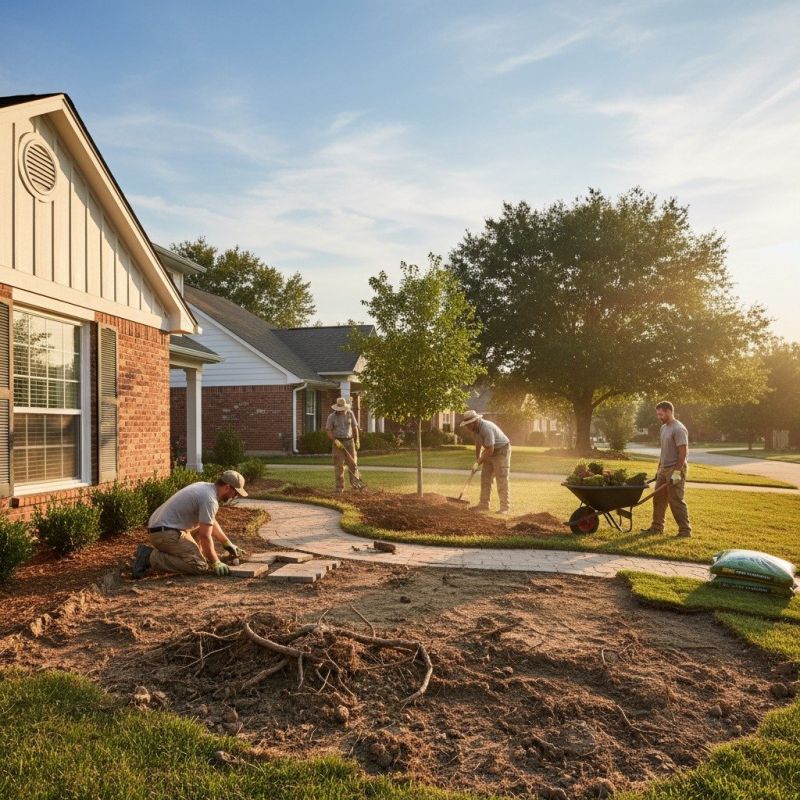
Clearly describe your landscaping soil delivery project to help local contractors compare options and define expectations effectively.
- Verify the types of soil materials offered by local contractors to ensure they meet project needs. - Consider how each service provider sources and handles soil to maintain quality and consistency.
- Clarify the scope of soil delivery services, including delivery methods and coverage areas, to match project requirements. - Ensure contractors specify what is included in their soil delivery to avoid misunderstandings.
- Check the experience and reputation of local contractors with soil delivery for landscaping projects. - Look for reviews or references that confirm reliable and professional service.
- Request detailed written descriptions of the soil types, delivery process, and any preparation required before delivery. - Clear documentation helps set expectations and ensures all parties agree on the scope.
- Assess how contractors handle special soil types or amendments, and whether they can accommodate specific landscaping plans. - Confirm that service providers can deliver the soil suitable for the intended landscaping design.
- Compare how different local contractors communicate and document project details to facilitate smooth coordination. - Consistent and thorough communication helps ensure the delivery process aligns with landscaping goals.
Use this to compare local contractors, clarify project scope, verify experience, and set clear expectations.

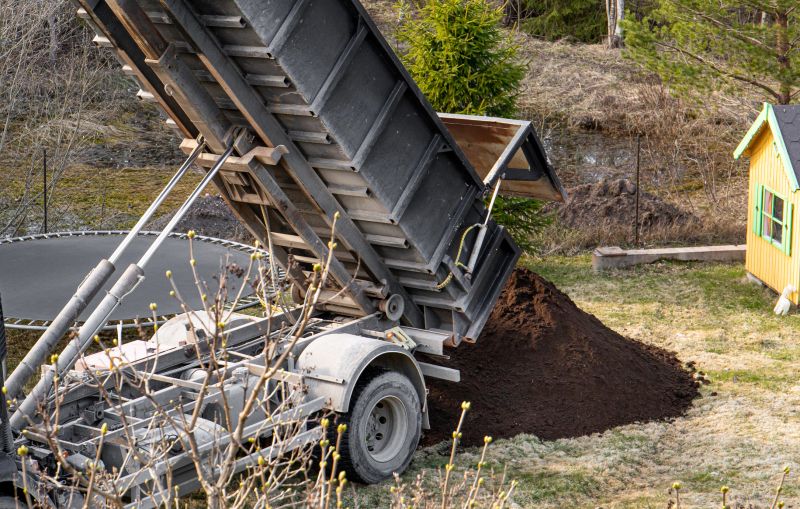

Learn how to compare landscaping soil delivery contractors effectively by defining scope, verifying experience, and setting clear expectations in writing.
- Scope Definition - Clearly specify the type and quantity of soil required for the landscaping project.
- Material Specifications - Identify the soil type, quality standards, and any specific amendments or additives needed.
- Delivery Requirements - Determine the preferred delivery method, timing, and access considerations for the soil drop-off.
- Experience and References - Verify that local contractors have relevant experience with soil delivery for landscaping projects.
- Written Agreements - Ensure scope details, expectations, and responsibilities are documented in a formal agreement.
When comparing contractors for landscaping soil delivery, it is important to evaluate their experience with similar projects. Seek out service providers who have a proven track record of handling soil delivery for residential landscaping projects comparable in size and scope. An experienced contractor will be familiar with common challenges, proper handling techniques, and the specific types of soil that best suit your landscape needs. This familiarity can help ensure the delivery process proceeds smoothly and that the soil meets the requirements of your landscaping plan.
A clear, written scope of work is essential for understanding what is included in the service. When reviewing contractor proposals or descriptions, look for detailed explanations of the quantity and quality of soil to be delivered, delivery methods, and any preparation or cleanup involved. A well-defined scope helps prevent misunderstandings and provides a basis for evaluating whether the contractor’s offerings align with your project expectations. Ensuring that all aspects of the soil delivery are documented in writing can also serve as a reference if questions or issues arise later.
Verification basics involve confirming that a contractor has the necessary experience and a solid reputation within the local community. Check references or reviews that speak to their reliability and quality of service in soil delivery projects. It’s also helpful to verify that the contractor has appropriate equipment and logistical capabilities to handle your specific site conditions. By gathering information about their past work and operational capacity, homeowners can better assess whether a service provider is capable of meeting project requirements effectively.
Evaluating options without focusing on prices involves comparing the quality of services, scope clarity, and the contractor’s experience. Consider the level of detail provided in their proposals, the professionalism of communication, and the consistency of their experience with similar projects. Asking specific questions about their process, materials, and how they handle unexpected challenges can reveal their expertise and reliability. This approach helps homeowners select a service provider who can deliver the soil and service quality needed for a successful landscaping project, based on knowledge and professionalism rather than cost alone.
Ask contractors to provide written scope details to ensure clear understanding and consistent expectations.
- **Experience and Expertise** - What experience do local contractors have with delivering and spreading landscaping soil?
- **Scope of Services** - How do contractors define the scope of soil delivery and any additional site preparation work?
- **Material Quality and Types** - What types of soil do service providers typically offer, and how do they ensure quality?
- **Comparison of Service Offerings** - How do local contractors differentiate their soil delivery services in terms of scope and capabilities?
- **Written Agreements and Expectations** - What details should be included in a written scope of work to clarify expectations?
How can I compare contractors for landscaping soil delivery? Comparing local contractors involves reviewing their experience, services offered, and reputation. Gathering details about their previous work and client feedback can help identify which providers meet specific project needs.
What should I consider when defining the scope of soil delivery? Clearly outlining the amount of soil, type, delivery location, and any special requirements ensures contractors understand the project. Writing these details down helps prevent misunderstandings and sets clear expectations.
How can I verify the experience of local contractors? Inquiring about a contractor’s previous projects, years in business, and areas of expertise can provide insight into their experience. Requesting references or examples of past work can also be helpful.
Why is it important to have the scope of work in writing? Having the scope documented ensures both parties agree on the project details, preventing miscommunication. It also provides a reference point if any questions or issues arise during the job.
What questions should I ask contractors during the comparison process? Ask about their process for handling soil delivery, experience with similar projects, and how they manage logistics. Clarifying these points can help determine their suitability for the job.
How can I ensure the contractor understands my project needs? Providing detailed information about the soil type, quantity, and delivery location in writing helps contractors understand your expectations. Clear communication minimizes potential misunderstandings.
By understanding the importance of comparing local contractors, defining the scope of soil delivery projects, verifying experience, and setting clear expectations in writing, visitors can make more informed decisions when selecting a service provider. Taking the time to evaluate these aspects helps ensure that the chosen contractor aligns with the specific needs of the landscaping project.
Using the quote form to compare options allows for a straightforward way to connect with qualified service providers in the area. This process can help identify experienced local contractors capable of handling soil delivery, making it easier to find the right match for the job.